Physical Address
304 North Cardinal St.
Dorchester Center, MA 02124
Physical Address
304 North Cardinal St.
Dorchester Center, MA 02124

Sometimes I forget that God’s thoughts are higher than my thoughts and God’s ways are higher than my ways. (Isaiah 55:8-9)
Recently, I put together a short lesson using my experience of being visually impaired.
I was a little caught off guard by my enthusiasm to share. After all, my eyesight and I haven’t exactly been besties throughout my life. Hiding my “disability” at all costs was (and sometimes still is) my go-to coping mechanism.
After visiting the first classroom, it became obvious that the kids and teachers weren’t my only audience. My words spoke directly to my OWN heart. It was remarkable how much I needed to hear and rehearse EVERY LAST affirmation I declared during my lesson.
I felt understood.
I felt liberated from many of the beliefs that lived inside of me all these years but never made their way out.
My visual struggles found tangible purpose. It turns out that God can even use five, six, and seven-year-olds to bear witness to our adversity.
My experience honestly conveyed that being blind (or facing any other physical/learning challenge) is hard, even frustrating at times. But hard is possible, even though it often requires extra effort along with the support of caring people in our lives. When we choose to do hard things we don’t want to, it strengthens part of our brain that builds resilience.
I wasn’t expecting God to use those thirty minutes toward more redemption of all the hard things I deal with day in and day out. I went into the lesson with one goal–help students understand blindness better. But God had way more on His agenda.
In the book of John, Jesus explained to His disciples that a man was born blind “so that the works of God might be displayed.”
I’m honored that God used MY message to inform and encourage students. But He won’t stop there. He’ll continue using me to “display His works.” This lesson, without a doubt, will go down as the highlight of my career.
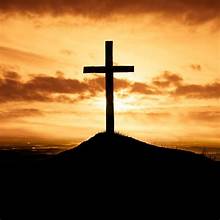
As Easter just reminded us, Jesus’ wounds redeem our sins.
But they also redeem our hurts, our heartaches, and our struggles. Delivering this lesson didn’t miraculously make me “love” my blindness. Nor do I consider it a gift I wouldn’t trade for the world. Redemption assigned it meaning and purpose, giving me a “giftedness” of connecting with and comforting others in their suffering. God never wastes our pain if we’re willing to join Him.
My Heavenly Father doesn’t like that I’m visually impaired anymore than I do. But, because we live in a broken world where genetic diseases thrive, He says, “I’ll take that, thank you very much, and use it for something way better than shame, regret, and inadequacy. I’ll use it for encouragement, connection, compassion, and hope.”
Philip Yancy once said, “Pain redeemed impresses me more than pain removed.”
In all honesty, I’d be ecstatic if God “removed” my disease. My selfish desire for comfort wouldn’t suffer willingly. But since removal isn’t an option right now, I’m so grateful that He chooses to redeem it while I wait–either for an earthly cure or eternal healing in heaven.
The best part of this story came a few days later when one of the most empathetic first graders passed me in the hallway. His soft, innocent voice apologized, “Mrs. Thacker, I’m so sorry you’re blind. It just breaks my heart.”
More proof that God’s ways are certainly higher than mine. My lesson alone could have NEVER achieved that level of empathy in that little boy’s heart. God did it. I just had to say yes to the task.